
Water Treatment
Reverse Osmosis Plants
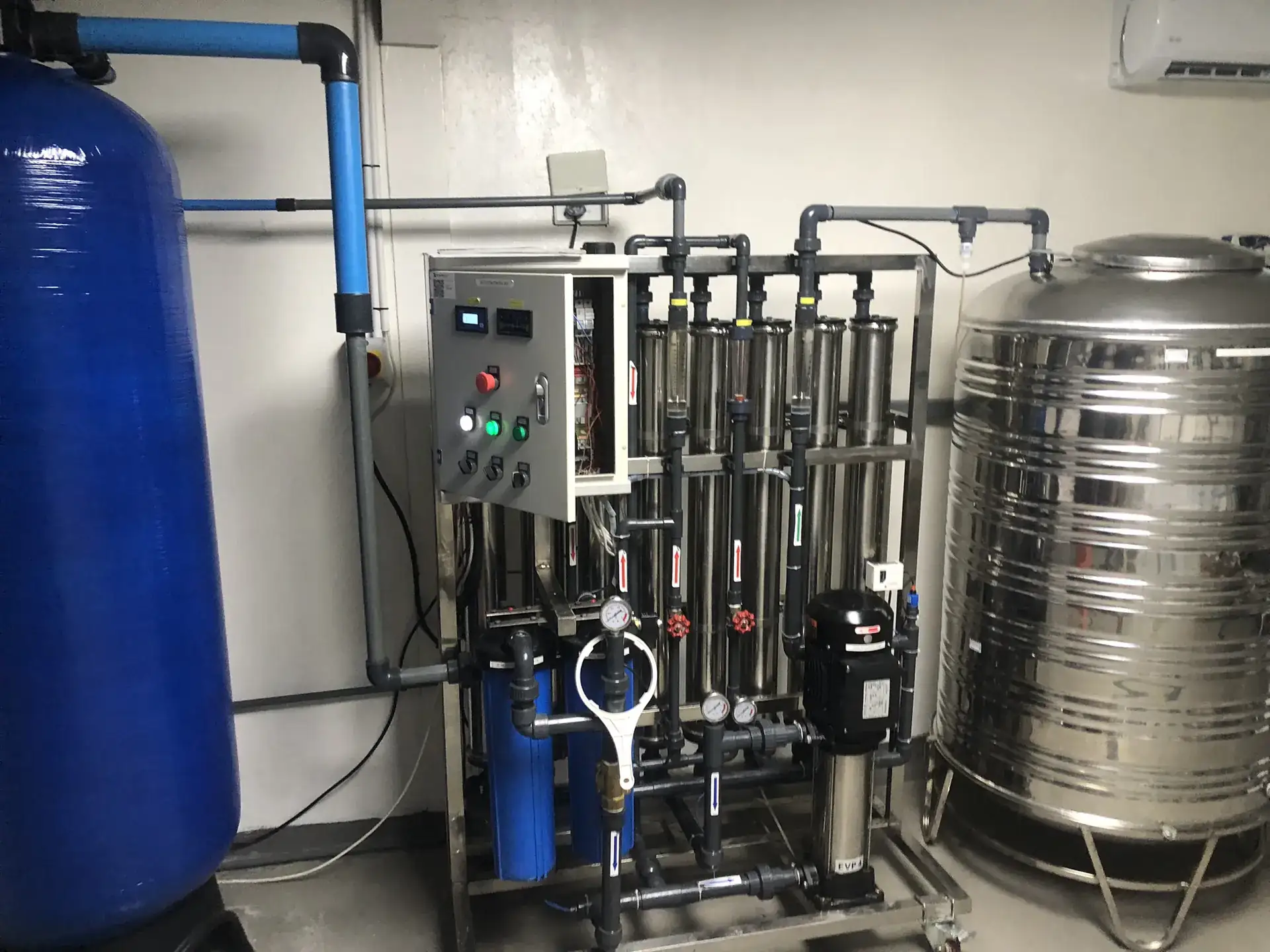
Reverse osmosis removes dissolved salts and other substances that filters cannot. CWE designs RO plants around the source water, the recovery a site can afford and a responsible plan for brine.
- For saline and high-TDS water
- Brine management planned
- Monitored membrane performance
When RO is needed
When filtration is not enough
RO is the right tool when water carries too much dissolved material: salinity, high total dissolved solids, nitrates or fluoride. These pass straight through conventional filters.
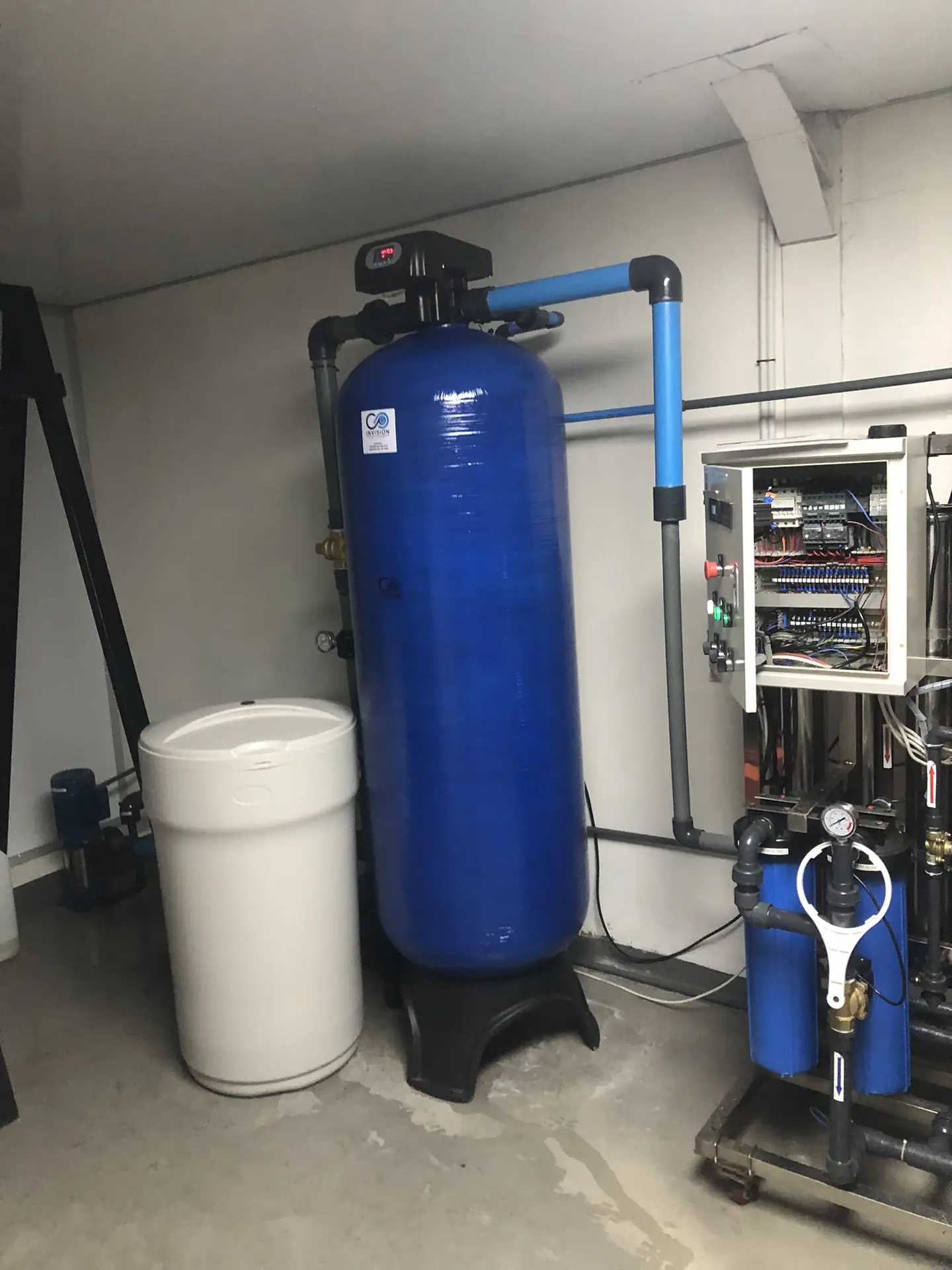
Because RO membranes are sensitive, pre-treatment is designed first to protect them from scaling, fouling and chlorine damage.
Design factors
Pre-treatment, water recovery and brine disposal
Every RO plant balances water quality, recovery and running cost.
Key design factors
| Factor | Why it matters |
|---|---|
| Pre-treatment | Protects membranes from solids, iron, hardness and chlorine |
| Recovery | Share of feed water becoming product; higher recovery means less brine |
| Brine management | Concentrate must be disposed of or reused responsibly |
| Membrane care | Cleaning, monitoring and replacement keep output stable |
Compliance
Drinking water and process water requirements
Product water is designed to meet the end-use requirement, whether drinking or process water.
Included in design
- SANS 241 drinking water quality where potable
- Remineralisation where required
- Brine disposal plan
- Online conductivity monitoring
- Operator training and O&M manuals
Reverse osmosis questions
Common questions about RO plants.
How much water does RO waste?
RO produces a concentrate stream. Recovery depends on the feed water; well-designed pre-treatment allows higher recovery and less brine.
What do you do with the brine?
Options include evaporation, approved discharge, blending or reuse, depending on volume, site and regulation. The plan is part of the design.
How often do membranes need replacing?
Membrane life depends on feed water and care. Good pre-treatment, cleaning and monitoring extend it considerably.
Is RO water safe to drink?
Yes, when the plant includes disinfection and, where needed, remineralisation, and is designed to SANS 241.
Related services
Water Treatment Plants & Systems
The full range of water treatment systems.
Read moreContainerised Water Treatment Plants
RO delivered in a relocatable container.
Read moreBorehole Water Treatment
Treatment for common borehole water issues.
Read moreWater System Monitoring & Maintenance
Remote monitoring of membrane performance.
Read morePlan your RO plant
Share your water test results, daily volume and end use. A CWE specialist will recommend a next step.
010 730 0051enquiries@civicwater.co.za- HEAD OFFICE
- 2 Bream Rd, Wadeville, Germiston, 1428