
Water Backup Systems: How Storage, Pumping and Treatment Work Together to Strengthen Continuity of Supply
When the municipal supply stops, does your site stop too? For a business park, estate, hotel or production site, a water interruption quickly becomes downtime. Water backup systems help keep water flowing, but only when every part is designed to work together.
A backup system is more than a tank. This guide explains the components behind it and how they combine to strengthen continuity of supply.
Why water backup systems matter in South Africa
Municipal water services face growing strain. The Department of Water and Sanitation's 2023 Blue and No Drop reports pointed to a decline in drinking water quality and an increase in non-revenue water since 2014.
For many sites, that means interruptions are a risk to plan for, not an exception. A well-designed backup system gives you more control over that risk.
What makes up a water backup system?
Effective water backup systems combine four connected elements. Each one depends on the others.
1. Backup water storage
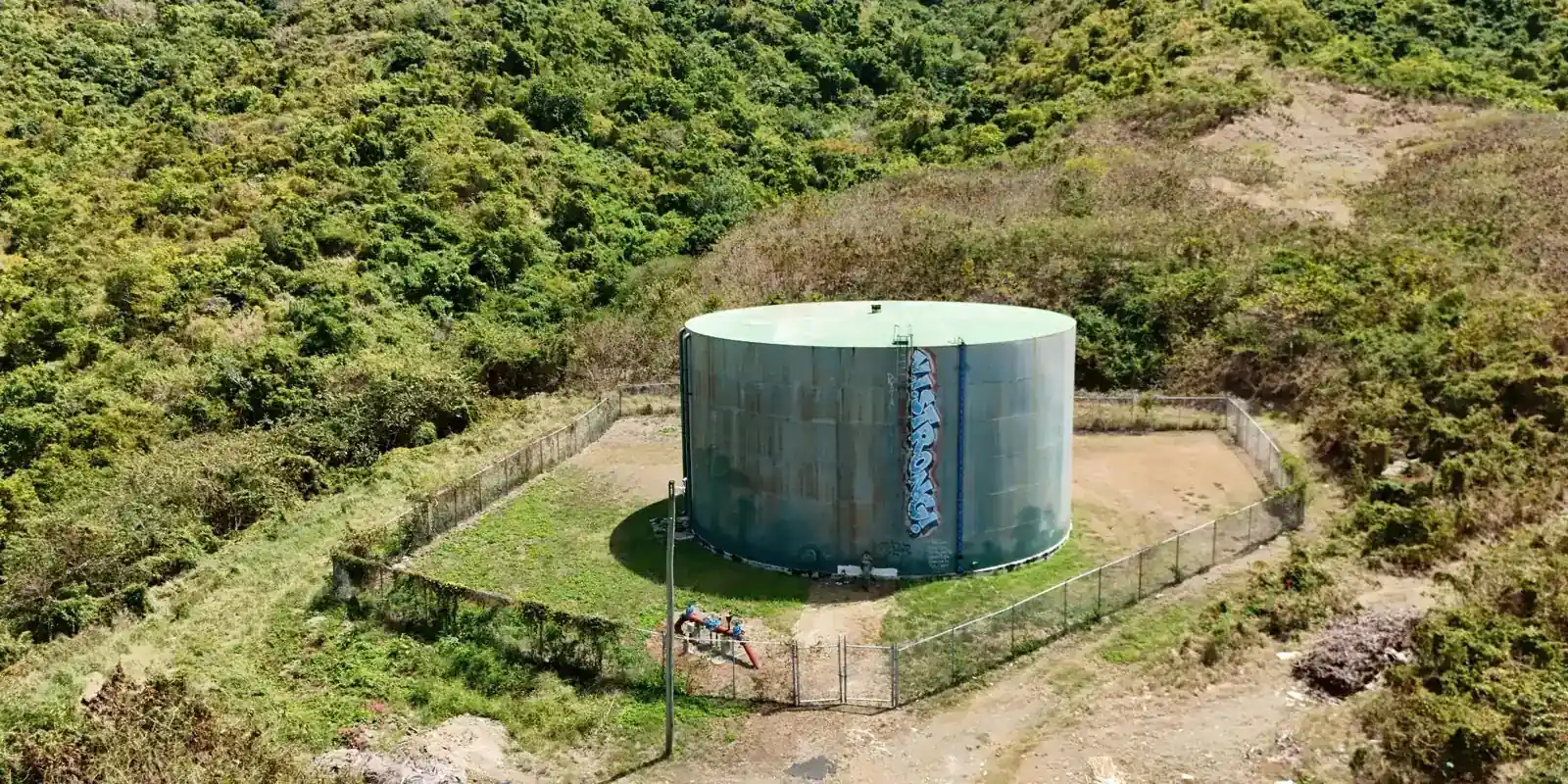
Storage holds the reserve your site draws on during an interruption. It should be sized to real demand, based on measured usage rather than a rule of thumb. Options include reservoirs and steel tanks, depending on the site.
2. Booster pump systems, pressure and distribution
Stored water is only useful if it reaches the point of use at the right pressure. Booster pump systems and pressure management keep supply on backup feeling like supply on the mains. Distribution pipework then moves water reliably across the site.
3. Treatment where needed
If the backup source is a borehole or stored water, it may need treatment before use. Treatment is matched to the quality of the backup source and what the water is used for.
4. Monitoring and alerts
Monitoring shows you the status of your backup system before you need it. Alerts flag low tank levels or equipment issues early, so problems are found before they become outages.
Solution example: building independent water resilience
Illustrative scopes only. Final designs and outcomes are always site-specific.
This example shows how Civic Water Engineering (CWE) approaches independent water resilience for a site.
The challenge:
- Municipal supply interruptions affect daily operations.
- A potential groundwater source exists, but its yield and quality are unknown.
- No single party is accountable for the system once it's built.
The approach:
- Assess the source, with yield and water quality tested before design.
- Treat the water to its end use, without over-engineering.
- Size backup storage to bridge interruptions.
- Support the system long-term with monitoring, planned maintenance and defined response.
The outcome: continuity designed in from day one, water quality matched to its use and one partner accountable for performance. See more featured project content.
Who needs water backup systems?
Water supply continuity matters most where an interruption stops operations:
- Commercial property, business parks and retail centres.
- Hospitality operators such as hotels and restaurants.
- Residential estates and HOAs.
- Industrial sites where production depends on water.
Keep your backup system ready with SLA support
A backup system that sits untouched can fail when you need it. With SLA support, it stays maintained and ready, not forgotten in a plant room. Learn more about CWE's SLA support.
Frequently asked questions
What is a water backup system?
A water backup system supplies water to a site when the main supply is interrupted. It typically combines backup water storage, booster pumping, treatment where needed and monitoring.
How big should backup water storage be?
Backup storage should be sized to your site's measured daily demand and how long you need to bridge an interruption. A site assessment provides the data to size it correctly.
Why do water backup systems need booster pumps?
Booster pump systems maintain water pressure when supply comes from storage instead of the mains. Without them, pressure can drop and supply may not reach every point of use.
Does backup water need treatment?
It depends on the source. Water from a borehole or long-term storage may need treatment to suit its end use, so test the source first.
Request a site assessment
If water continuity is on your risk register, talk to a Civic Water Engineering specialist on 010 730 0051 or email enquiries@civicwater.co.za. You can also request a site assessment online.