
Wastewater Treatment and Recycling: How Sites Can Close the Water Loop
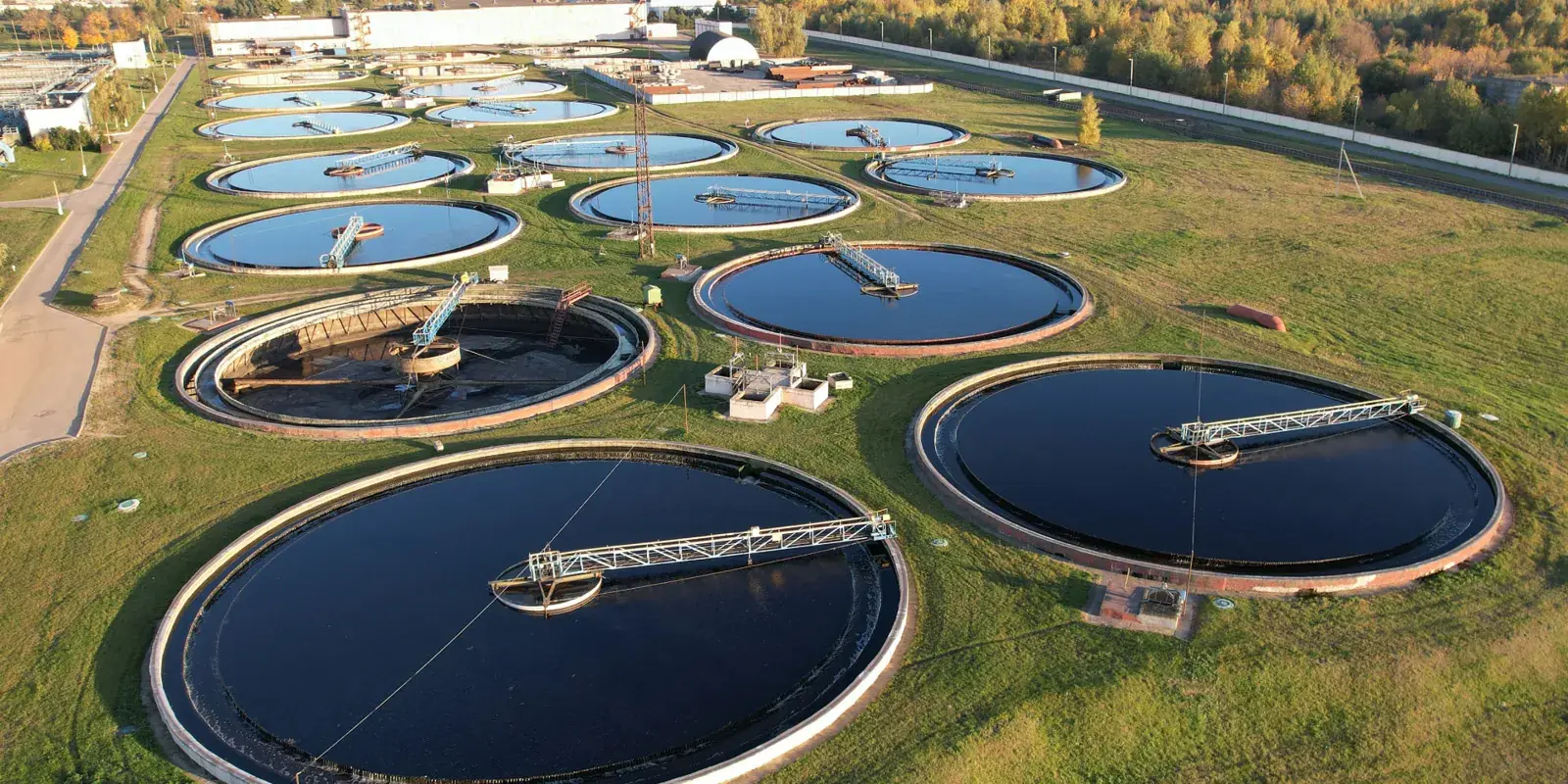
Most sites treat water as a one-way flow. Water comes in, gets used once and leaves as waste. Wastewater treatment and recycling changes that. It recovers water for practical reuse, reduces disposal requirements and helps sites close the water loop.
This guide explains how decentralised systems work and which sites benefit most.
What does closing the water loop mean?
Closing the water loop means treating wastewater on site and putting it back to work. Instead of sending all used water away, a site recovers some of it for suitable applications. That reduces demand on fresh water and cuts the volume that needs disposal.
Why wastewater treatment and recycling matters now
Municipal wastewater systems in South Africa are under serious strain. In April 2026, Engineering News reported on the Department of Water and Sanitation's Green Drop report. It found that 47% of the 848 municipal wastewater systems audited were in a critical state.
For sites that rely on municipal wastewater services, that adds risk. On-site treatment and reuse gives a site more control over its own water cycle.
The four parts of wastewater treatment and recycling
Civic Water Engineering (CWE) delivers decentralised systems built around four connected parts.
Sewage and wastewater treatment
Wastewater from the site is treated so it can be safely reused or discharged.
Process water recovery
Industrial and mining processes often produce water that can be recovered. Treating and returning it reduces the need for new water.
Non-potable water reuse
Recovered water can serve uses that don't need drinking quality. Depending on the site, these can include irrigation, dust suppression, washdown or toilet flushing.
Reuse integration
Recovered water has to fit into the wider site system. Integration connects treatment, storage and distribution so reused water reaches the right place.
What is decentralised wastewater treatment?
Decentralised wastewater treatment happens on or near the site, rather than at a large municipal works. It suits sites that are remote, that produce their own process water or that want more control over their water cycle.
Wastewater recycling for mines
Mines use large volumes of process water and face strict compliance requirements. CWE supports mining operations with process water, reuse and compliance-driven treatment. Recovering process water can reduce fresh water demand and disposal volumes.
Other sites that benefit from water reuse
- Industrial operations: recovering process water for production.
- Municipalities: decentralised treatment for communities.
- Estates and developments: on-site treatment and non-potable reuse.
Explore all of our integrated solutions.
Frequently asked questions
What is wastewater treatment and recycling?
Wastewater treatment and recycling treats used water so it can be reused for suitable applications. It reduces fresh water demand and disposal requirements.
What can recycled wastewater be used for?
Recycled wastewater is commonly used for non-potable applications. Depending on the site, these can include irrigation, dust suppression, washdown or toilet flushing.
What is process water recovery?
Process water recovery captures and treats water used in industrial or mining processes so it can be used again.
Is decentralised wastewater treatment suitable for my site?
It often suits remote sites, mines, industrial operations and developments that want more control over their water. A site assessment will confirm whether it fits.
Close the water loop on your site
Ready to explore water reuse? Talk to a Civic Water Engineering specialist on 010 730 0051 or email enquiries@civicwater.co.za. You can also discuss your wastewater project online.