
Borehole Development in South Africa: Why Reliability Is Decided Before the Drill Arrives
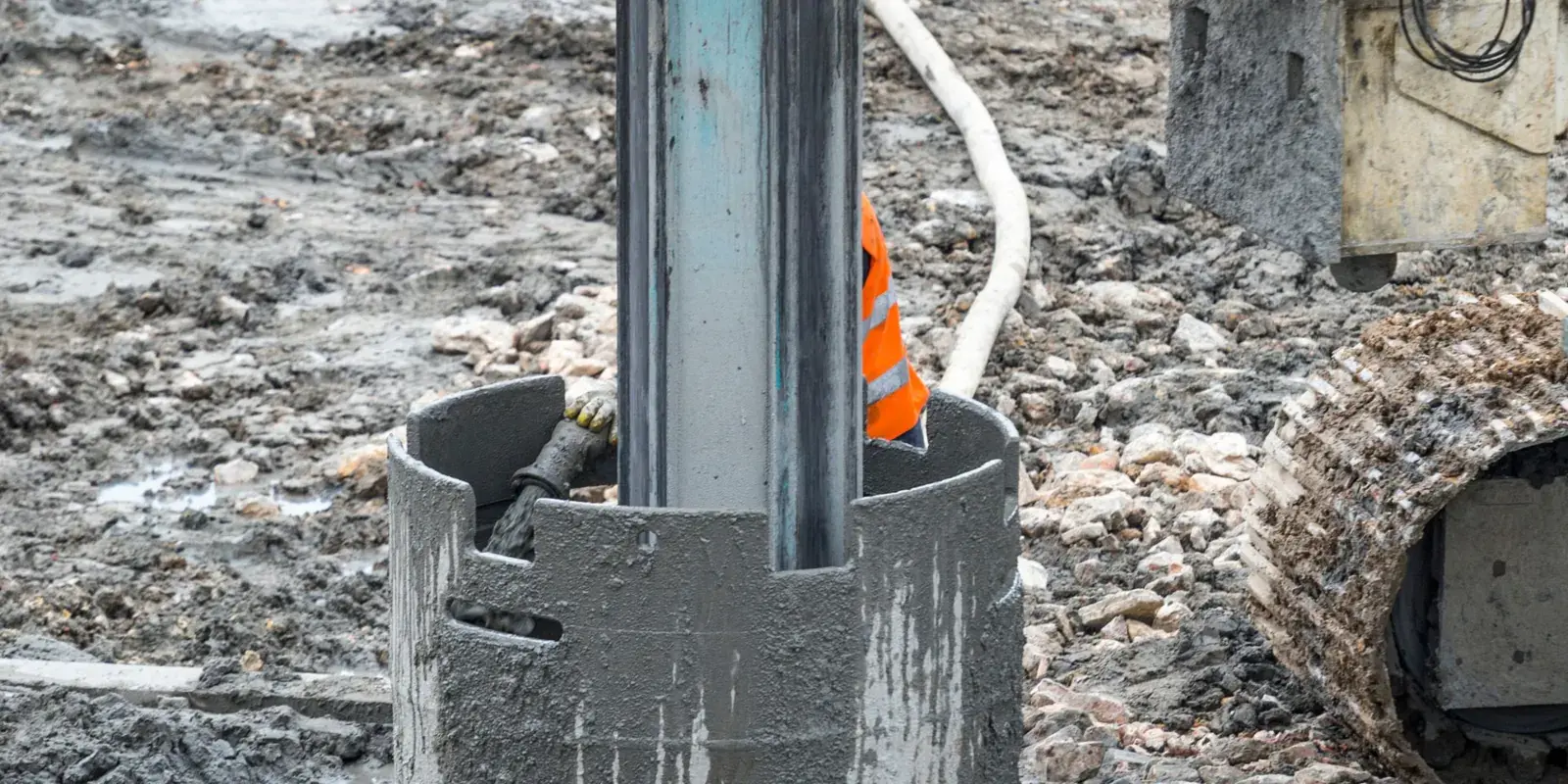
Drilling is the most visible part of a borehole project. Yet the decisions that determine whether a borehole delivers reliable water happen before and after it. Successful borehole development in South Africa starts with understanding the groundwater, then designing the pump, headworks and system around measured results.
Here's how each step works, and why skipping one can cost you later.
Why borehole development in South Africa starts with data
A borehole is only as reliable as the information behind it. If you drill without understanding the groundwater, you risk a dry hole or a low yield. If you size a pump without a proper yield test, you risk over-pumping the source.
Civic Water Engineering (CWE) develops groundwater sources around the needs of each site. That means four connected steps, each one informing the next.
Step 1: Hydrogeological assessment
A hydrogeological assessment studies the geology and groundwater potential of your site before anyone commits to drilling. It helps answer key questions early:
- Where is groundwater most likely to be found?
- How deep is it likely to be?
- What yield and quality can you reasonably expect?
This step reduces the risk of drilling in the wrong place. It also gives the whole project a realistic starting point.
Step 2: Borehole siting and drilling coordination
Once the assessment points to the best location, the borehole is sited and drilling is coordinated around that data. Good coordination keeps the work on track. It also makes sure the drilling records feed straight into the next stage of design.
Step 3: Borehole yield testing and water quality testing
Yield testing measures how much water the borehole can sustainably supply over time. Water quality testing shows what is in the water.
Both results matter for everything that follows:
- Pumps are sized on the tested yield, not a guess.
- Treatment is designed around the measured water quality.
- Storage is planned around real supply and real demand.
Designing on measured results protects the source and avoids costly over-engineering.
Step 4: Borehole pumps and headworks
The final step matches the pump and headworks to the tested yield and your site's actual demand. The headworks is the surface installation at the top of the borehole. It typically includes the pipework, valves and fittings that connect the source to the rest of your system.
A well-matched pump protects the borehole from over-extraction. A properly built headworks makes the system easier to monitor and maintain.
How the borehole connects to the rest of your water system
A borehole rarely works on its own. Because CWE engineers the whole system, the source is designed to work with what comes after it:
- Treatment matched to the tested water quality and its end use.
- Solar integration to power pumping and reduce grid dependency.
- Storage and distribution sized to real demand.
- Smart monitoring and SLA support to keep it performing after handover.
Explore how these connect on our integrated solutions page.
Know your groundwater obligations
Groundwater use in South Africa is regulated under the National Water Act. Depending on the volume and purpose, using borehole water may need registration or a water use authorisation. The Department of Water and Sanitation is the authority responsible. Check your requirements early so they don't delay your project.
Who needs professional borehole development?
Borehole development supports a wide range of sites, including:
- Farms and agribusinesses that rely on water for irrigation and livestock.
- Residential estates that want independent water security.
- Mines and industrial sites that need a dependable process water source.
- Municipalities that need decentralised supply for communities.
Frequently asked questions
What does borehole development include?
Borehole development includes a hydrogeological assessment, borehole siting and drilling coordination, yield and water quality testing, and pump selection and headworks. Each step informs the next.
Why is a hydrogeological assessment important before drilling?
A hydrogeological assessment reduces the risk of a dry or low-yield borehole. It identifies where groundwater is most likely to be found and what yield and quality to expect.
What is borehole yield testing?
Borehole yield testing measures how much water a borehole can sustainably supply over time. The result guides pump sizing and protects the source from over-pumping.
Do I need permission to use borehole water in South Africa?
It depends on how much water you use and what you use it for. Some uses need registration or a water use authorisation from the Department of Water and Sanitation, so check early.
Discuss your borehole project with CWE
Planning a new groundwater source? Talk to a Civic Water Engineering specialist on 010 730 0051 or email enquiries@civicwater.co.za. You can also discuss your source with our team online.